
Understanding Hearing Aid Insurance Coverage in Cincinnati
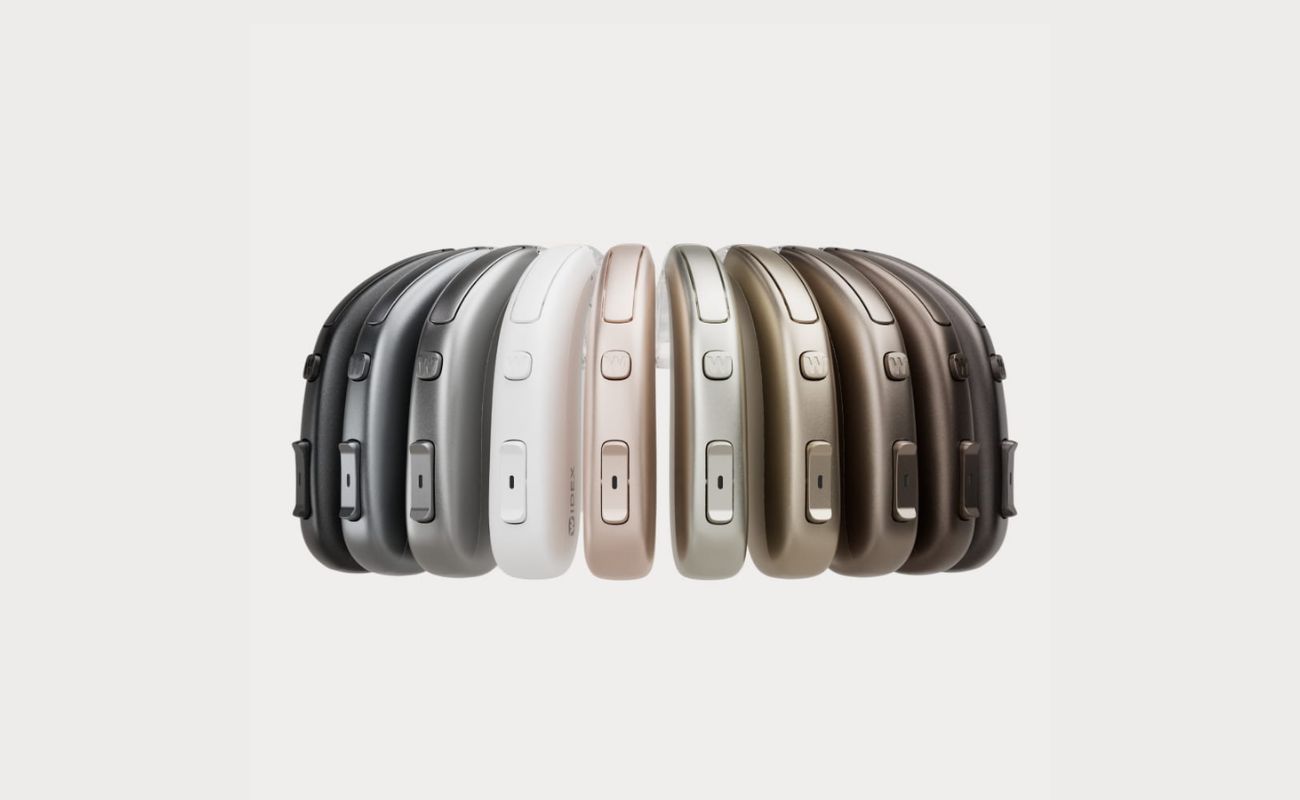

One of the most common questions we hear from patients is whether their insurance covers hearing aids. The short answer is — it depends. Original Medicare doesn't cover hearing aids, but that doesn't mean you're out of options. Medicare Advantage plans, employer-sponsored insurance, and tax-advantaged accounts like HSAs and FSAs can all help offset the cost.
We are in-network with Blue Cross Blue Shield, Cigna, Humana, Medical Mutual of Ohio, and Medicare. We can also bill other insurance plans, as many carry out-of-network benefits. Give us a call at 513-916-3656 to find out what your plan covers.
What Original Medicare Covers (and Doesn't)
For many seniors, Medicare remains the primary insurance provider, yet Original Medicare Parts A and B continue to exclude hearing aids from coverage in 2026. This exclusion extends to fitting exams as well.
Medicare Part B does cover diagnostic hearing and balance exams when medically necessary and ordered by a physician. After meeting your deductible, you'll pay 20% coinsurance for these diagnostic services. One update worth knowing — starting in January 2023, Medicare began allowing one direct access hearing test per year using the AB modifier, meaning a physician referral is not required for that annual visit.
One important exception exists for cochlear implants. Medicare Part B covers these devices for individuals with severe hearing loss who meet specific criteria, including both the device and the surgical implantation procedure.
Proposed Legislation to Watch
Two pieces of legislation are worth following if you rely on Medicare for your healthcare.
The Medicare Hearing Aid Coverage Act of 2025 (H.R. 500), introduced in January 2025, proposes to remove the exclusion preventing Medicare from covering hearing aids. As of early 2026, it remains under congressional review and has not been enacted into law.
The Medicare Audiology Access Improvement Act (MAAIA) would go further by recognizing audiologists as practitioners under Medicare, allowing beneficiaries direct access to audiologists for diagnostic and treatment services without requiring a physician referral. If passed, it would help make medically necessary hearing and balance care more accessible for seniors. You can send a letter to your legislators in support of MAAIA at congressionalconnect.net.
Medicare Advantage Plans Provide Better Benefits
Residents enrolled in Medicare Advantage plans (Part C) typically enjoy more comprehensive hearing benefits. Nearly all Medicare Advantage plans offered in 2026 include some level of hearing aid coverage, though benefits vary by plan, insurer, and location.
Most Medicare Advantage plans provide routine hearing exams (typically one per year), hearing aid evaluations, and fittings. The financial benefits range from $500 to $2,500 per ear, with replacements covered every three to five years depending on your plan.
The Annual Enrollment Period runs from October 15 through December 7 each year. There's also a Medicare Advantage Open Enrollment Period from January 1 through March 31 when current members can make changes to their coverage.
Ohio Medicaid Coverage for Adults
Ohio Medicaid provides coverage for hearing exams for adult beneficiaries aged 21 and older. Standard Ohio Medicaid does not comprehensively cover hearing aids for adults, and some diagnostic testing may require prior authorization.
Private Insurance Plans Differ Significantly
For residents with employer-sponsored or individual health insurance, hearing aid coverage varies considerably. Most employer-sponsored group plans offer some hearing aid benefits, while individual and family plans frequently exclude hearing aids entirely.
Common benefit structures include fixed reimbursements ranging from $500 to $2,500 per device and allowances that renew every three to five years. Ohio law does limit private insurance coverage to certain levels of hearing loss severity, and prior authorization may be required before receiving benefits.
A Note on Third-Party Hearing Aid Programs
Some insurance plans work with third-party administrators — companies like Amplifon or UnitedHealthcare Hearing — that offer discounts on hearing aids through their own provider networks. While a discount sounds appealing, it's worth understanding the tradeoff.
These programs typically reimburse providers at rates that make it difficult to deliver the level of care that produces the best outcomes — things like Real Ear Measurement verification and thorough follow-up care. As a HearingUp Network member, Dr. Teague is committed to evidence-based best practices for every patient. For that reason, we do not participate in third-party managed care networks.
Dr. Cliff Olson, AuD explains this dynamic well in the video below.
If you currently have a third-party hearing benefit and want to understand your options, give us a call. We're happy to walk through what your plan covers and help you find the most affordable path to quality care.
Using HSA and FSA Accounts for Hearing Care
Health Savings Accounts (HSAs) and Flexible Spending Accounts (FSAs) offer tax-advantaged ways to pay for hearing care. Both account types cover hearing aids, batteries, repairs and maintenance, audiologist consultations, hearing tests, and fitting appointments.
For 2026, individuals can contribute up to $4,400 to an HSA, while families can contribute up to $8,750. Those aged 55 and older can make an additional $1,000 catch-up contribution. HSA funds roll over year-to-year and require enrollment in a high-deductible health plan.
FSAs typically operate on a "use it or lose it" basis, with some plans offering limited carryover (up to $680 in 2026) or grace periods. The FSA contribution limit for 2026 is $3,400.
Additional Support Resources
Veterans with service-related hearing loss may qualify for coverage through the Department of Veterans Affairs, which includes hearing aids and cochlear implants.
The Ohio Department of Health operates a Hearing Aid Assistance Program at (614) 466-3543 for information about state-level support options.
Schedule Your Hearing Consultation
At Hearing Consultants, we work with patients to verify insurance benefits, submit claims when applicable, and identify all available coverage options. Dr. Teague is a HearingUp Network member, personally vetted by Dr. Cliff Olson as a provider who consistently follows evidence-based hearing care. We're committed to best practices in hearing aid fittings, including Real Ear Measurements to verify proper programming. This approach helps make sure you receive the full benefit of your hearing aids, regardless of how you finance them.
If you're ready to explore your hearing aid options and understand your coverage, contact our office at 513-916-3656. We're located at 10766 Montgomery Road, and our office hours are Monday through Friday, 9:00 AM to 5:00 PM. Dr. Teague and Dr. Hoffman will conduct a comprehensive hearing evaluation, review your insurance benefits, and help you develop a plan that fits both your hearing needs and your budget.



Get in touch with
Hearing Consultants
Contact our clinic to schedule an appointment today!
