
Why Annual Hearing Tests Matter After Age 50
.jpg)

Turning 50 is a milestone that often prompts us to pay closer attention to our health. We schedule regular physicals, keep up with vision exams, and monitor our cardiovascular health. Yet one area that frequently gets overlooked is our hearing. At Hearing Consultants, we see many patients who wish they had started monitoring their hearing sooner. The truth is that annual hearing tests after age 50 can make a significant difference in maintaining your quality of life and overall health.
The Reality of Age-Related Hearing Changes
As we age, our auditory system naturally undergoes changes. The tiny hair cells in our inner ear that help us process sound can become damaged over time through everyday exposure to noise, certain medications, and the natural aging process itself. This type of hearing loss, known as presbycusis, typically affects higher-pitched sounds first. You might notice that you can hear someone talking but struggle to understand what they're saying, especially in noisy environments like restaurants or family gatherings.
What makes age-related hearing loss particularly challenging is its gradual progression. Unlike a sudden illness, hearing loss often develops so slowly that many people don't realize how much they're missing until the problem becomes significant. By the time someone notices they're constantly asking others to repeat themselves, their hearing may have already declined substantially.
The Hidden Costs of Untreated Hearing Loss
When we can't hear well, the effects extend far beyond simply missing parts of conversations. Research has consistently shown strong connections between untreated hearing loss and several serious health concerns.
Social isolation stands out as one of the most immediate consequences. When communication becomes difficult, many people begin avoiding social situations. They skip dinner parties, stop attending community events, and withdraw from activities they once enjoyed. This isolation can lead to feelings of loneliness and depression, which in turn can trigger a cascade of other health problems.
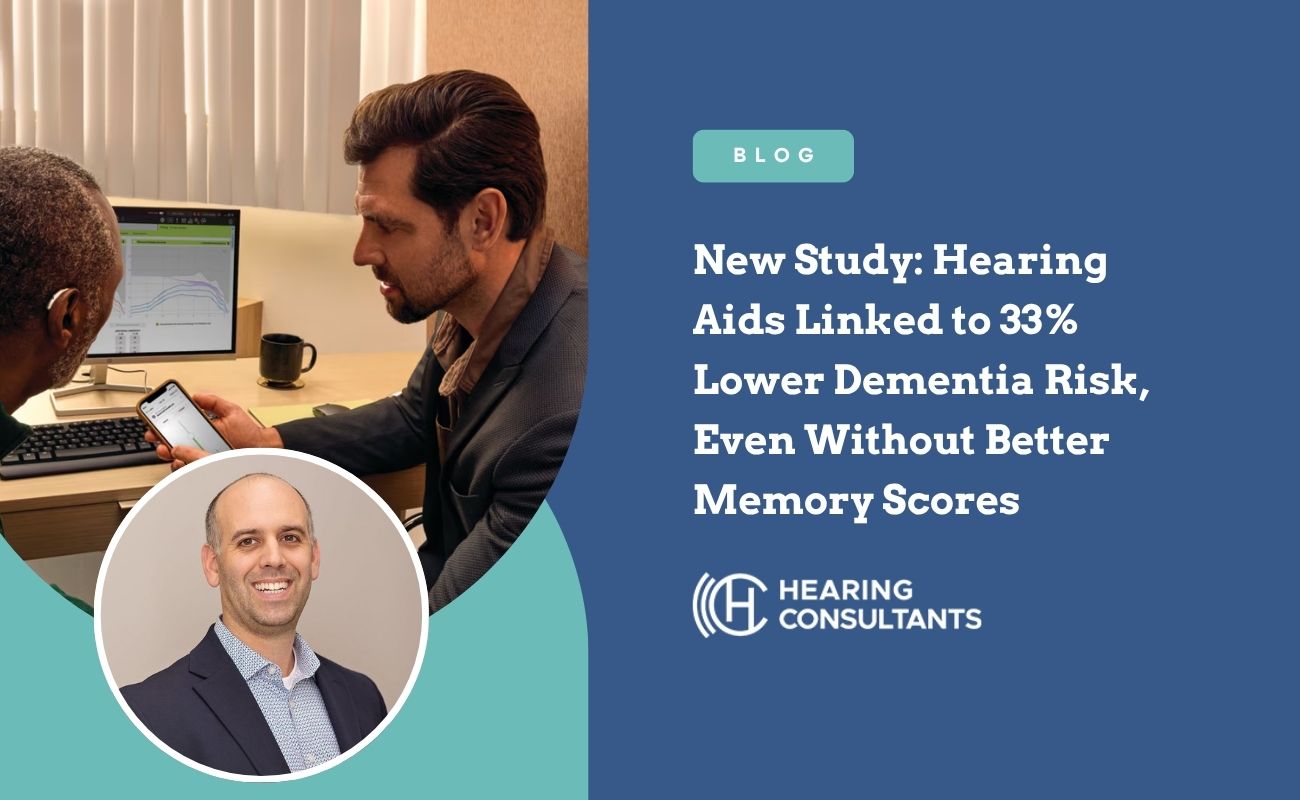
The cognitive impact of hearing loss deserves particular attention. Recent studies have identified hearing loss as a major modifiable risk factor for dementia. When your brain has to work harder to process unclear sounds, it diverts resources away from other functions like memory and thinking. Over time, this constant strain may contribute to cognitive decline. The slow progression of hearing loss exerts significant mental and cognitive strain on the brain, affecting memory, speech, and language skills.
Physical safety also becomes a concern. Our hearing helps us stay aware of our surroundings, alerting us to approaching vehicles, alarms, and other important environmental cues. People with untreated hearing loss face higher risks of falls and accidents because they miss these warning sounds.
What Annual Testing Provides
Regular hearing tests create a baseline that allows us to track changes over time. At Hearing Consultants, our comprehensive evaluations go beyond simply determining whether you can hear. We assess how well you understand speech, how you process sounds at different frequencies, and how your hearing performs in various listening conditions.
During your appointment, we begin with a detailed consultation about your health history, including any medications that might affect your hearing and any concerns you've noticed. We then perform a thorough ear examination to check for physical issues like earwax buildup or inflammation that could affect your results.
The testing itself is painless and typically includes pure-tone audiometry, where you listen to different sounds at varying volumes through headphones. We also conduct speech recognition tests to evaluate how well you understand words without visual cues. For some patients, we may perform bone conduction tests to assess how sound travels through different parts of your ear.
After completing the evaluation, we review your results with you in detail, explaining what they mean for your daily life and answering any questions you might have. If we detect hearing loss, we work with you to develop a personalized plan that addresses your specific needs.
Early Intervention Makes a Difference
The earlier we identify hearing loss, the more options we have for addressing it. Modern hearing aids have come a long way from the bulky, whistling devices of the past. Today's technology offers discrete, comfortable solutions with features that adapt to your environment automatically.
When fitted properly, hearing aids do more than just amplify sound. They can slow the rate of cognitive decline, reduce the risk of falls, and help maintain social connections. At our practice, we use Real Ear Measurement during hearing aid fittings to verify that your devices are programmed precisely for your unique hearing loss. This best practice approach sets us apart and helps ensure you get the maximum benefit from your hearing aids.
Many people who start wearing hearing aids report feeling more confident in social situations and less exhausted at the end of the day. They're able to participate fully in conversations, enjoy movies and music again, and stay engaged with the activities they love.
Understanding Your Risk Factors
While age is the most common factor affecting hearing, other elements can accelerate hearing loss. Noise exposure throughout your life plays a significant role, whether from occupational hazards, recreational activities like hunting or concerts, or even regular use of loud power tools. Certain medications, including some antibiotics and chemotherapy drugs, can damage hearing. Medical conditions such as diabetes, high blood pressure, and cardiovascular disease also increase your risk.
If you have any of these risk factors, annual testing becomes even more valuable. We can monitor for changes more closely and recommend protective measures to preserve your remaining hearing.
The Connection Between Hearing and Cognitive Health
Our practice uses advanced cognitive screening tools to help assess each patient and understand the full impact of their hearing loss. The Cognivue diagnostic provides a cognitive health result independent of your hearing score, allowing us to paint a more complete picture of your overall health.
This comprehensive approach recognizes that hearing and cognition are deeply interconnected. When we address hearing loss promptly, we're not just improving communication—we're potentially protecting your brain health for years to come.
What Cincinnati Residents Should Know
Living in Cincinnati means you have access to experienced, local audiologists who understand the unique needs of our community. At Hearing Consultants, both Dr. Timothy Teague and Dr. Amanda Hoffman are active members of professional audiology organizations and committed to evidence-based best practices. We're even recommended by Dr. Cliff Olson and his HearingUp Network for our dedication to quality care.
Being locally owned means we're invested in the wellbeing of our neighbors. We take the time to get to know you, understand your lifestyle, and provide personalized recommendations that fit your specific situation. We're not just selling devices—we're building relationships and helping people stay connected to what matters most in their lives.
Taking the First Step
If you're over 50 and haven't had a hearing test recently, now is the time to establish your baseline. Even if you think your hearing is fine, testing provides valuable information that helps us track any future changes. Many people are surprised to discover they have mild hearing loss they weren't aware of, and catching it early opens up more treatment options.
The process is straightforward and painless. Our team creates a comfortable environment where you can ask questions and express any concerns. We're here to guide you through every step, from initial testing through treatment and ongoing care.
Schedule Your Hearing Evaluation Today
Your hearing health matters, and regular testing after age 50 is one of the best investments you can make in your overall wellbeing. Don't wait until hearing loss significantly impacts your daily life. Contact Hearing Consultants today at 513-916-3656 to schedule your comprehensive hearing evaluation. Our office at 10766 Montgomery Road is open Monday through Friday from 9:00 AM to 5:00 PM. Let our experienced audiologists help you maintain your hearing health and stay connected to the people and activities you love.

Get in touch with
Hearing Consultants
Contact our clinic to schedule an appointment today!
